If your child is interested in acting or performing, you may be wondering whether professional headshots are essential—or whether a good photograph taken at home will be enough.
The short answer is that it depends on your child’s age, experience and where they are in their performing journey.
A clear, current photograph may be suitable for an initial agency application, particularly for babies and very young children who change quickly. Once a young performer is professionally represented and being submitted for castings, high-quality headshots are usually a worthwhile investment.
Before booking a photographer, speak to your child’s talent agent. The agency should explain what images are required and when professional photographs are appropriate.
What Is a Performer Headshot?
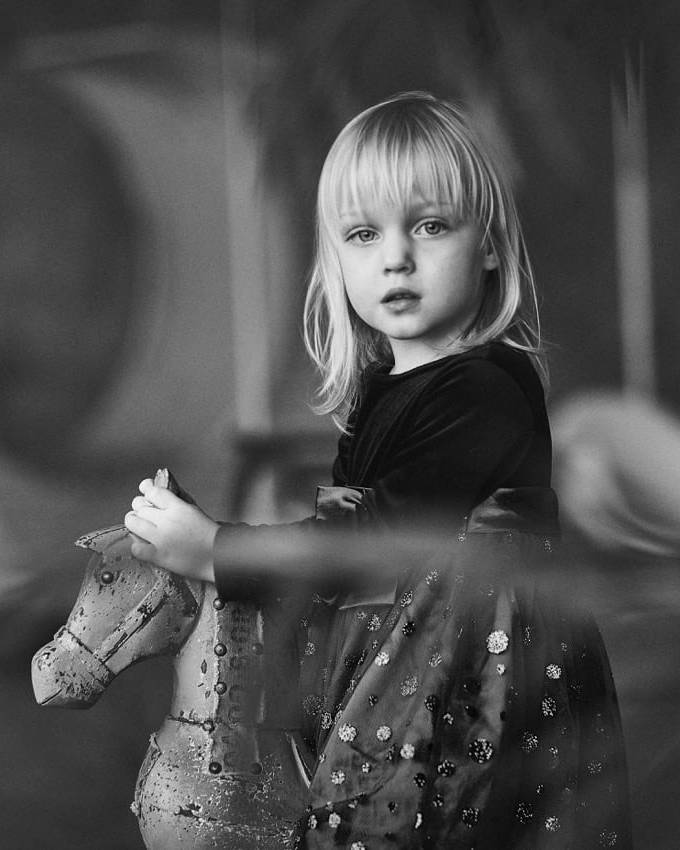
A headshot is a clear photograph, usually showing the performer’s head and shoulders, which represents how they currently look.
It is used on casting profiles, agency websites and performer submissions. For many casting professionals, it will be the first thing they see when deciding who could be suitable for a role.
A good headshot should help the casting team understand:
- What the performer currently looks like
- Their approximate playing age
- Their personality and natural qualities
- The types of roles they might suit
The purpose is not to make a child look glamorous, highly styled or older. It is to present an honest, professional and engaging version of them.
Why Are Good Headshots Important?
Casting directors may review a large number of performers for a single role. A clear and accurate headshot helps them quickly decide whether someone could match the casting brief.
Headshots are particularly important for young performers who do not yet have many professional credits or showreel scenes. The image gives casting teams an immediate first impression.
A good headshot cannot guarantee an audition, but an unclear, outdated or heavily edited photograph can make it difficult to assess the performer accurately.
The most important requirement is that the child genuinely looks like their photograph when they attend an audition or submit a self-tape.
Does My Child Need Professional Photos to Apply to an Agency?
Not always.
Some talent agencies accept recent home photographs when considering new applications. They may ask for a simple head-and-shoulders photograph and a full-length image taken in natural light.
For an initial application, the agency generally wants to see what the child really looks like. Expensive photographs are not necessarily required before the agency has assessed whether it would like to offer representation.
Check the agency’s application instructions carefully. Sending professional photographs when simple snapshots have been requested will not necessarily improve the application.
Parents should also be cautious about paying for headshots before receiving clear guidance. If an agency is interested in representing the child, it can usually explain what style of image works best for its casting submissions.
When Are Professional Headshots Worthwhile?
Professional headshots are usually beneficial when a young performer:
- Has secured professional representation
- Is being submitted regularly for castings
- Has or is creating a professional casting profile
- Needs images suitable for industry platforms
- Has changed significantly since their existing photographs
- Is developing acting or performing as a serious professional interest
A photographer experienced with young performers will understand how to create appropriate images without making a child appear overly posed or styled.
Professional photography also provides consistent lighting, focus, framing and image quality across the performer’s profile.
What About Babies and Toddlers?
Babies and toddlers change very quickly, so expensive professional sessions may not always be practical.
Current, natural photographs can be more useful than polished images that no longer show the child accurately. Spotlight currently advises families to update photographs of babies frequently because their appearance changes so rapidly.
For very young performers, a suitable photograph should usually:
- Show the child on their own
- Show their face clearly
- Reflect their current appearance
- Use good natural light
- Have a simple background
- Avoid filters and heavy editing
- Capture a natural expression
Your agent should advise when home photographs are sufficient and when a professional session would add value.
Speak to the Agent Before Booking
The talent agent understands how the performer will be marketed and what casting professionals expect from the profile.
Before booking a photographer, ask the agent:
- Does my child need professional headshots now?
- What types of images are required?
- How many finished photographs do we need?
- Is there a preferred style or background?
- Should we include different hairstyles or glasses?
- Does the agency recommend photographers experienced with children?
- Are full-length images also required?
- How will the photographs be used?
This conversation can prevent families from spending money on images that do not meet the agency’s requirements.
The agent may also have ideas about the performer’s likely playing age and casting range that the photographer can consider during the session.
Choosing the Right Photographer
A talented adult headshot photographer is not automatically the right photographer for a child.
Look for someone with a strong portfolio of natural, age-appropriate images of young performers. The photographer should be able to communicate calmly, create a relaxed atmosphere and work at a pace suitable for the child.
Before booking, parents may wish to ask:
- Do you regularly photograph children and young performers?
- Can we see examples of complete sessions?
- What safeguarding procedures do you follow?
- How long will the session last?
- Can a parent or guardian remain present?
- How many edited images are included?
- Are there additional charges for selecting more photographs?
- Where may the finished images be used?
- Who retains the copyright?
- What is your cancellation or rescheduling policy?
Spotlight recommends checking that a photographer working with children has appropriate safeguarding arrangements and advises parents to ask about relevant checks before booking.
Parents should feel comfortable with the location, arrangements and way the photographer communicates with their child.
What Should My Child Wear?
Unless the agent or photographer provides different guidance, clothing should be simple, comfortable and age-appropriate.
Plain or lightly textured tops often work well because they keep the attention on the performer’s face.
Consider bringing a small selection of options in colours that suit the child. Avoid:
- Large logos
- Busy patterns
- Elaborate costumes
- Distracting jewellery
- Hats and unnecessary accessories
- Clothing that makes the child look much older
- Anything uncomfortable or unfamiliar
The photographs should suggest personality and versatility without looking like costume portraits for specific characters.
Allow your child some involvement in choosing what they wear. They are more likely to appear relaxed when they feel comfortable and still look like themselves.
Hair, Makeup and Glasses
A young performer’s headshot should reflect their everyday appearance.
Hair should be clean and styled naturally. If your child has long hair, the agent may want photographs with it both down and tied back. Avoid making a major haircut immediately before the session unless it has been discussed with the agent.
Makeup is generally unnecessary for children. If an older teenager normally wears makeup, it should remain light and natural unless the agent advises otherwise.
If your child regularly wears glasses, include at least one strong photograph showing them. Casting professionals need an accurate understanding of their current look.
Permanent features such as freckles, scars and birthmarks should normally remain visible. Heavy retouching can create a misleading image.
What Makes a Good Young Performer Headshot?
An effective headshot should be:
- Recent
- Recognisable
- In sharp focus
- Well lit
- Natural in expression
- Appropriate for the child’s age
- Free from distracting backgrounds
- Lightly and realistically edited
- Suitable for professional casting profiles
The child’s eyes should be clear and visible, and the expression should feel genuine.
Not every photograph needs a broad smile. A selection might show warmth, thoughtfulness, confidence or energy, but the expressions should not look forced.
The aim is to show a believable range while maintaining a consistent and accurate representation of the performer.
How Many Headshots Are Needed?
More photographs do not necessarily create a stronger casting profile.
A small selection of distinctive, well-chosen images is usually more useful than many photographs showing almost identical expressions. Spotlight advises young performers to use no more than four or five carefully selected profile images.
The agent should help choose the final photographs. They will consider which image should be the main headshot and whether the remaining images add a genuinely different, useful look.
Avoid choosing only the photographs that feel most attractive. The most effective headshot is the one that looks like the child, captures their personality and helps casting professionals see where they might fit.
How Often Should Headshots Be Updated?
Headshots should be replaced whenever they stop representing the performer accurately.
An update may be needed after:
- A significant haircut or colour change
- Noticeable growth or physical development
- Changes to glasses
- Dental changes
- A shift in playing age
- Approximately a year for a growing child
- Much more frequently for babies and toddlers
There is no benefit in keeping a favourite photograph if the child no longer looks like it.
A full professional session may not be necessary after every small change. Ask the agent whether an interim snapshot is sufficient or whether new professional images are required.
Beware of Excessive Retouching
Editing should improve the image quality without changing the child’s identity.
Temporary blemishes may be softened, but editing should not significantly alter:
- Facial features
- Skin tone
- Body shape
- Hair colour
- Eye colour
- Teeth
- Permanent marks
- The child’s apparent age
Casting professionals need to know who will arrive at the audition. A photograph that creates unrealistic expectations is not helpful to the performer.
Filters, dramatic effects and artificial backgrounds should also be avoided unless requested for a specific creative purpose.
Understand What You Are Paying For
Before confirming a session, ask for a written explanation of the package.
Check:
- The session fee
- The number of final images included
- Whether retouching is included
- The cost of additional photographs
- Delivery times
- File sizes and formats
- Permitted uses of the photographs
- Copyright and licensing terms
- Whether VAT or other charges apply
In most cases, the photographer retains copyright while granting permission for agreed professional and promotional uses. Make sure the licence covers casting platforms, agency promotion and the performer’s professional website or social accounts where relevant.
Do not assume that buying a session gives unrestricted ownership of every image.
Are Expensive Headshots Always Better?
A higher price does not automatically mean better results.
The photographer’s experience with children, understanding of performer headshots and ability to create natural images are more important than an elaborate studio or a large package.
Compare portfolios and look at whether the children appear relaxed, individual and age-appropriate. Be cautious if every image is heavily retouched or styled in exactly the same way.
Parents should never feel pressured into purchasing the largest package. A few excellent, useful photographs are better than a large collection that adds little to the performer’s profile.
Can Parents Take Suitable Headshots at Home?
A home photograph can sometimes be appropriate for agency applications, babies, toddlers or quick profile updates.
To take a useful photograph:
- Use soft natural light
- Choose a plain, uncluttered background
- Position the camera at the child’s eye level
- Make sure the image is sharp
- Photograph the child on their own
- Keep clothing and hair natural
- Avoid digital zoom
- Do not use filters
- Capture a relaxed, genuine expression
Follow the agency’s instructions about orientation, cropping and file size.
A phone photograph can be clear and current, but it does not necessarily replace a professional headshot once the child is being actively submitted for significant casting opportunities.
Keep Your Child Involved
A headshot session should be a positive, age-appropriate experience.
Explain what will happen, allow your child to help choose clothing and make sure they are rested and comfortable. Avoid scheduling the session after a tiring day when possible.
A good photographer will give the child time to relax rather than expecting an immediate perfect expression.
Parents should support without adding pressure. The objective is not to make the child perform for the camera continuously; it is to capture something honest about who they are.
If the child becomes distressed or no longer wants to continue, their wellbeing should take priority over completing the session.
A Useful Investment at the Right Time
Professional headshots can be an important part of a young performer’s career, but they should be commissioned for a clear purpose and with guidance from the talent agency.
For an initial application or a rapidly changing baby, current natural photographs may be enough. For a represented performer being submitted for professional work, strong headshots help casting teams see their appearance, personality and potential.
At The Talent House, we advise families on when new photographs are needed, what casting teams need to see and how to select images that represent each performer honestly and professionally.
For further industry guidance, parents can read Spotlight’s advice on headshots for young performers.