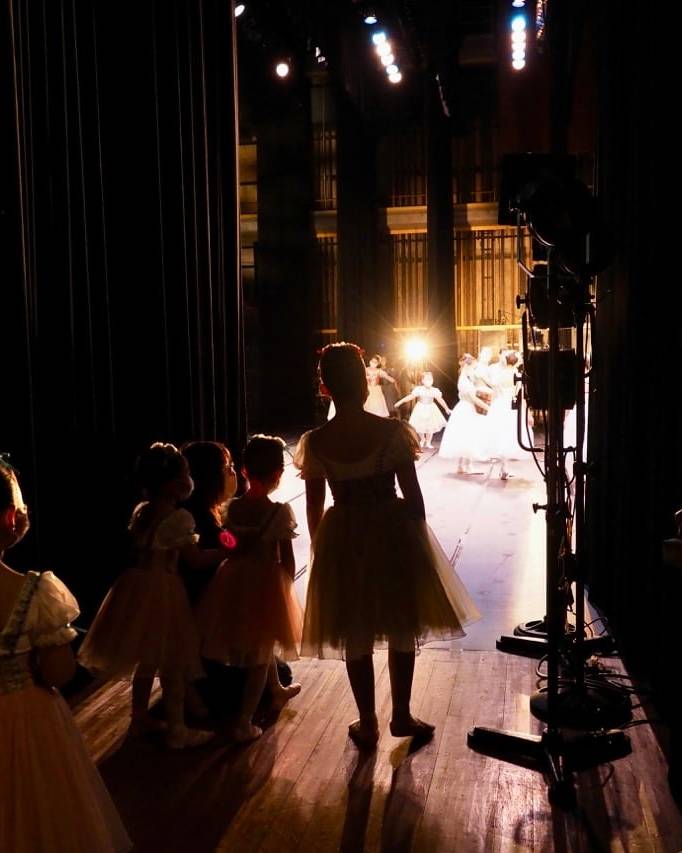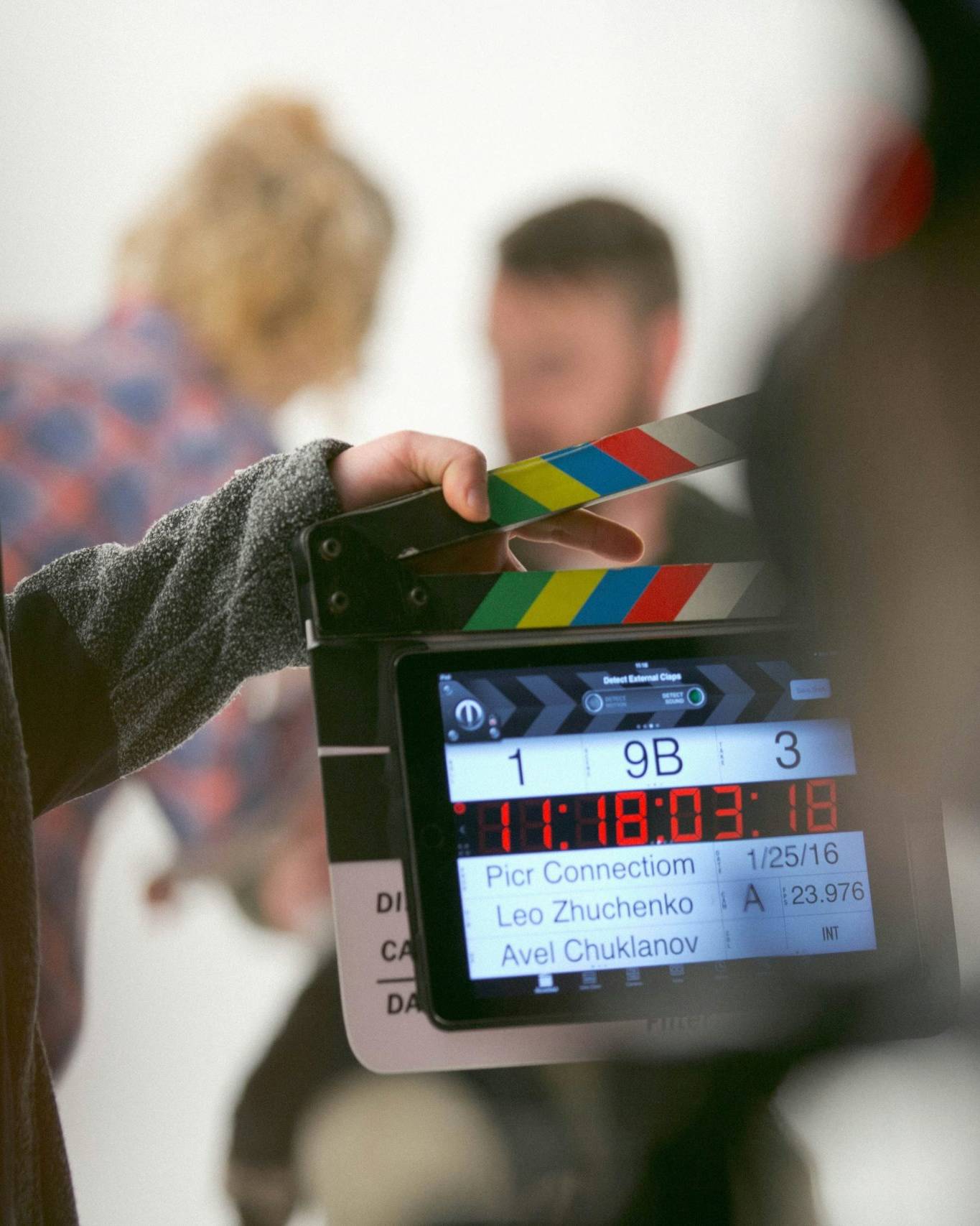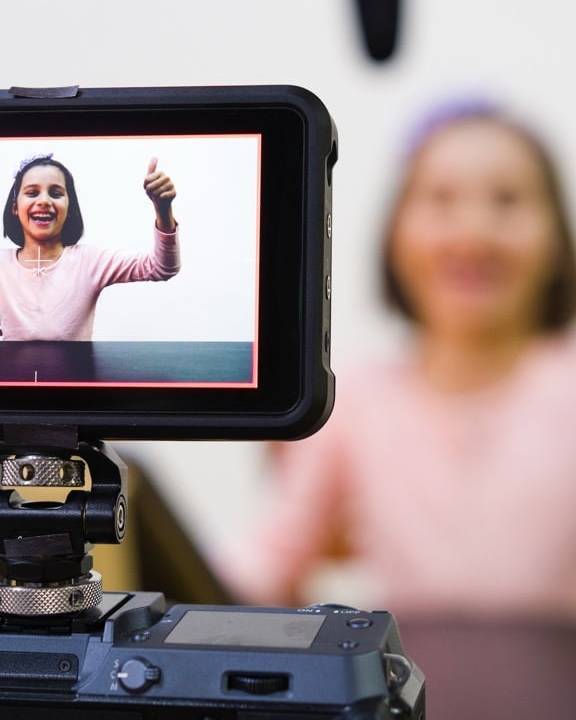
When a child is offered professional work in television, film, theatre, modelling or another area of entertainment, a child performance licence may be required before they can take part.
The licensing process is designed to protect a child’s education, safety, health and wellbeing while they are working. Although the production normally manages the application, parents have an important role in providing information and completing documents promptly.
This guide explains the process for children in England. Rules and procedures can differ in Scotland, Wales and Northern Ireland, so families should always check the requirements that apply where their child lives.
What Is a Child Performance Licence?
A child performance licence is official permission for a child below compulsory school-leaving age to participate in certain performances or paid activities.
According to the UK Government, a licence may be required when a child takes part in:
- Films, television programmes or other recorded productions
- Plays, musicals, concerts and other public performances
- Performances for which the audience pays
- Performances taking place on licensed premises
- Paid modelling assignments
- Paid sporting activities
The licence is issued by the local authority where the child lives—not necessarily the authority where the performance or filming takes place.
Licences exist to ensure that appropriate arrangements are in place for the child’s supervision, education, working hours, breaks, accommodation and general welfare.
Who Needs a Licence?
A licence may be required for a child who has not yet reached compulsory school-leaving age.
Whether one is necessary depends on several factors, including:
- The child’s age
- The type of performance or activity
- Whether the child or another person is being paid
- Whether the performance will be recorded or broadcast
- Whether the child needs to miss school
- How many days the child has performed during the previous six months
- Whether another exemption or group approval applies
Parents should not assume that a licence is unnecessary because a role is unpaid, filming takes place outside school hours or the child only appears briefly.
The production should check the requirements with the child’s local authority whenever there is uncertainty.
Who Applies for the Licence?
The person responsible for organising or producing the performance normally applies for the licence. This is usually the production company, producer or event organiser.
The parent, talent agency or performing-arts school does not normally become the licence holder simply because it introduced the child to the opportunity.
However, the parent or guardian will be asked to provide information and give consent. The talent agency may help coordinate communication between the family and production, but responsibility for submitting the licence application generally remains with the production.
When Should the Application Be Made?
The UK Government advises that an application should be made to the child’s local authority at least 21 days before the event.
Productions sometimes operate to much shorter timescales, but parents should return requested documents as quickly as possible. A late or incomplete application may not be processed in time, and the child cannot perform when a required licence has not been granted.
Receiving an offer or signing a contract does not replace the need for a licence. Where a licence is required, it should be approved before the child begins the relevant work.
What Information Will Parents Need to Provide?
Requirements vary between local authorities and productions, but parents may be asked for:
- The child’s full name, address and date of birth
- Parent or guardian contact details
- A copy of the child’s birth certificate or passport
- A recent photograph
- Details of the child’s school
- Information about health or medical needs
- Details of previous performances
- Parent or guardian consent
- Travel and accommodation information
- Information about the child’s earnings
- A school permission form when absence is required
Parents should make sure that the information is accurate and notify the production of any health, education or welfare considerations that could affect the arrangements.
It can be useful to keep clear digital copies of commonly requested documents in a secure location. These should only be shared with authorised people involved in the licensing process.
What Happens If School Time Is Affected?
When a performance requires a child to be absent from school, permission will normally be needed from the school as part of the licensing process.
Parents should tell the production and talent agency immediately if any proposed date falls during school hours. The child should not simply be taken out of school because a booking has been offered.
The local authority will consider whether the proposed work could negatively affect the child’s education. Depending on the length and nature of the production, arrangements for tuition may also be required.
A performance licence does not mean that every school absence will automatically be approved. The necessary permission and licensing arrangements must be in place before the child misses school.
What Is a Chaperone?
A child taking part in a licensed performance must be appropriately supervised.
If the child is not under the direct supervision of their own parent, school teacher or home tutor, they will generally need to be looked after by a chaperone approved by the local authority.
A licensed chaperone’s responsibilities include protecting the child’s:
- Safety and welfare
- Working hours and breaks
- Rest and meal arrangements
- Education requirements
- Privacy and changing arrangements
- Travel and accommodation conditions
- Emotional and physical wellbeing
A parent can usually supervise their own child, but this does not automatically allow them to supervise other children. Someone supervising children other than their own will normally need the appropriate local-authority approval.
The production should explain who will supervise the child and what arrangements will be in place.
What Is the Four-Day Rule?
In England, an exemption sometimes known as the “four-day rule” may apply when a child has not performed on more than three days during the previous six months.
However, the exemption is subject to important conditions. It cannot generally be used when:
- Payment is being made for the child’s participation, other than expenses
- The child needs to be absent from school
- The child has already performed on four days during the relevant six-month period
Days covered by previous licences or certain group approvals may still count when calculating the number of performance days.
The rules can be easy to misunderstand, so parents and productions should confirm the position with the child’s local authority rather than deciding independently that an exemption applies.
Even when an individual licence is not required, rules protecting the child’s working conditions and welfare may still apply.
What Is a Body of Persons Approval?
A Body of Persons Approval, commonly called a BOPA, can allow an organisation to include a group of children in performances without applying for a separate licence for every child.
A BOPA is issued to the organisation by the local authority where the performance takes place. It is commonly associated with amateur productions, dance-school shows and similar group performances.
Conditions normally include:
- No payment being made for the child’s participation, other than expenses
- No absence from school
- Appropriate safeguarding and supervision arrangements
- Compliance with any conditions set by the local authority
A BOPA applies to the organisation and specified performances; it is not a personal licence belonging to the child.
Parents should still expect to provide consent and relevant information to the organiser.
Are Auditions Covered?
An ordinary audition will not always require a child performance licence. However, requirements may be different when an audition involves recording, payment, public performance or activity that forms part of a production.
Rehearsals can also fall within licensing arrangements in certain circumstances.
The production or organiser should seek advice from the appropriate local authority if there is any uncertainty.
What Happens Once a Licence Is Approved?
The licence may include conditions covering:
- The dates and location of the work
- The child’s permitted hours
- Breaks and rest periods
- Supervision
- Education
- Travel
- Accommodation
- Activities the child is permitted to undertake
The production, parent and chaperone should understand and follow these conditions.
A licence for one production does not provide general permission for the child to work on every future project. A separate application may be required for each production or engagement.
Parents should ask for confirmation that the licence has been approved before their child begins work.
What Is the Talent Agency’s Role?
The talent agency can help keep the process moving by connecting the family with the production and making sure important information is communicated.
The agency may:
- Tell the production where the child lives
- Provide parent contact information with permission
- Send licence forms or document requests to the parent
- Confirm filming, rehearsal and school dates
- Remind families about outstanding paperwork
- Raise questions with the production
- Help confirm whether the licence has been granted
The agency does not issue the licence. Approval rests with the appropriate local authority.
Parents should respond promptly and tell the agency about anything that could affect the licence, including school concerns, medical needs, previous performance dates or changes in availability.
Questions Parents Should Ask
Before their child begins a professional booking, parents may wish to ask:
- Does this engagement require a child performance licence?
- Who is responsible for applying?
- Which local authority will issue it?
- What documents do you need from us?
- Will my child need time away from school?
- Who will supervise my child?
- Will a parent be permitted to remain with them?
- What are the proposed working and break times?
- Are travel or accommodation arrangements involved?
- Has the licence been approved?
Parents should never feel uncomfortable asking how their child’s safety, education and welfare will be protected.
Common Mistakes to Avoid
Licensing delays are often caused by missing information or incorrect assumptions.
Common problems include:
- Returning forms late
- Leaving sections incomplete
- Providing unclear copies of documents
- Forgetting to disclose previous performance days
- Assuming no licence is needed for unpaid work
- Failing to identify school-time absences
- Confusing a booking confirmation with licence approval
- Assuming one licence covers every production
- Making travel arrangements before requirements are confirmed
Responding quickly and accurately helps the production and local authority process the application.
The Licence Is There to Protect Your Child
A child performance licence is more than an administrative formality. It helps ensure that professional opportunities are organised around the child’s education, safety and wellbeing.
Productions, parents, agents, schools, chaperones and local authorities all play different but connected roles. Clear communication between everyone involved is essential.
At The Talent House, we help families understand what information may be required and work with productions to support an organised, professional licensing process.
For current information in England, parents and productions should consult the UK Government’s child performance licence guidance and contact the local authority where the child lives.
This article provides general information for families in England and does not constitute legal advice. Licensing rules and local-authority procedures can change and differ across the UK. Always confirm the requirements for a specific engagement with the relevant local authority.